







Search Results for: deferred management fee
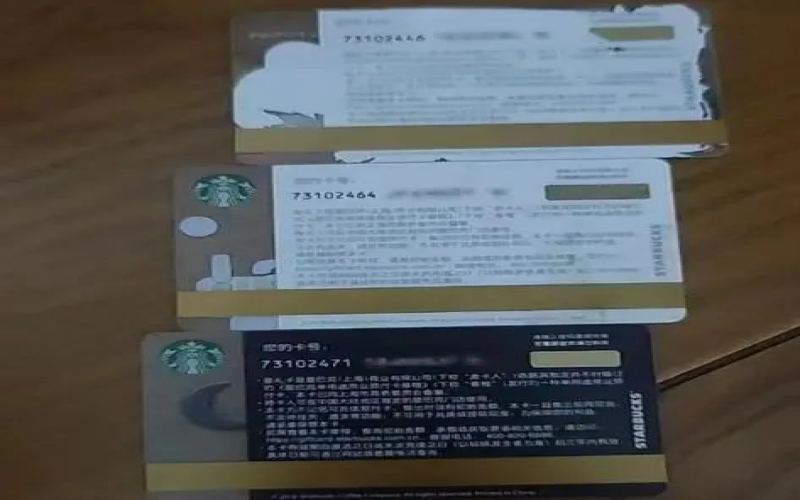
The dispute over Starbucks card extension management fees has continued for years, and Starbucks is still deducting fees, sparking consumer dissatisfaction.
The issue of Starbucks Star Gift Card extension management fees has repeatedly been thrust into the spotlight in recent years. Although the controversy has persisted for several years, consumers have recently reported that their Star Gift Cards were continuously charged this fee without their knowledge. From Mr. Gu's experience to Ms. Zhang's case of being charged for 22 months, and the endless complaints on the Black Cat platform, is this charging mechanism a reasonable rule or a failure to fulfill the obligation to remind? Consumers and Starbucks each hold their own views, arguing endlessly. This article will sort out the whole story, the views of all parties, and the official terms, to help you understand this long-running dispute. [more…]
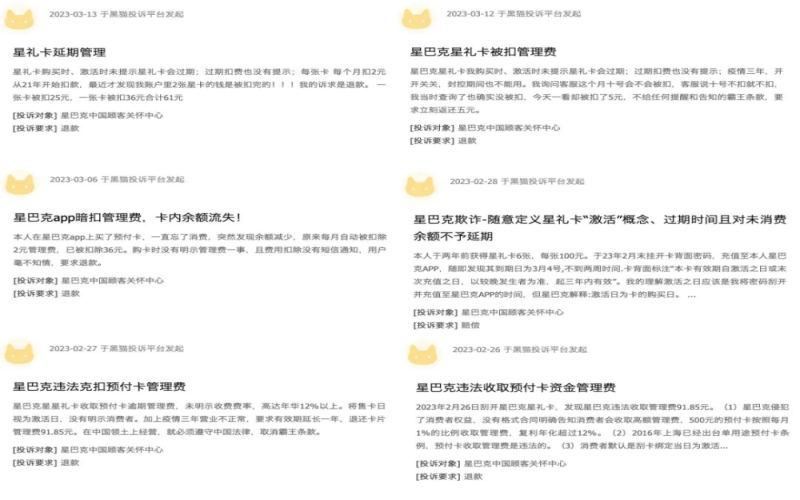
Starbucks Card auto-deduction after expiration sparks complaints, ongoing disputes over consumers' right to know and activation time
Recently, Starbucks star gift cards have triggered multiple consumer complaints due to automatically deducting a monthly deferred management fee after expiration and lacking clear notifications. Some users reported that the deductions continued for 22 months before they偶然 discovered it, and when they called customer service, they were told that the practice was compliant. An investigation found that although the relevant terms are displayed in bold in the App, users are not required to actively confirm reading them during the binding process. In addition, the activation time is not marked on the star gift card, and consumers' understanding of the "date of activation" differs from the official definition. This article will sort out the focus of complaints, the details of the rules, and the core of the dispute, and explore the boundary between the reasonableness of prepaid card deductions and users' right to be informed. [more…]

Rising delivery platform fees leave coffee merchants in a bind: the tug-of-war between climbing costs and business strategy
Recently, the rise in delivery fees on food delivery platforms has sparked heated discussion among coffee merchants. Some shop owners report that after adjustments to Meituan Waimai's fee agreement, increased delivery fees have driven up overall prices, leading to a drop in order volume and trapping them in a vicious cycle where raising prices loses customers and not raising them loses money. Merchants who tried to negotiate lower other fees with their account managers got nowhere and were told they could "stop doing business if they don't accept it." Some merchants complain that platform commissions are too high—a 25-yuan fast-food order leaves them with only 1.24 yuan, and some even end up with negative income. Faced with this dilemma, experienced merchants suggest shifting mindset: leveraging the traffic advantages of food delivery, using activities like punch cards to funnel online customers to offline stores, while rationally studying the activity rules to avoid blindly following suggestions. Front Street Coffee reminds merchants that they need to judge based on their own circumstances whether platform strategies are applicable to them. [more…]
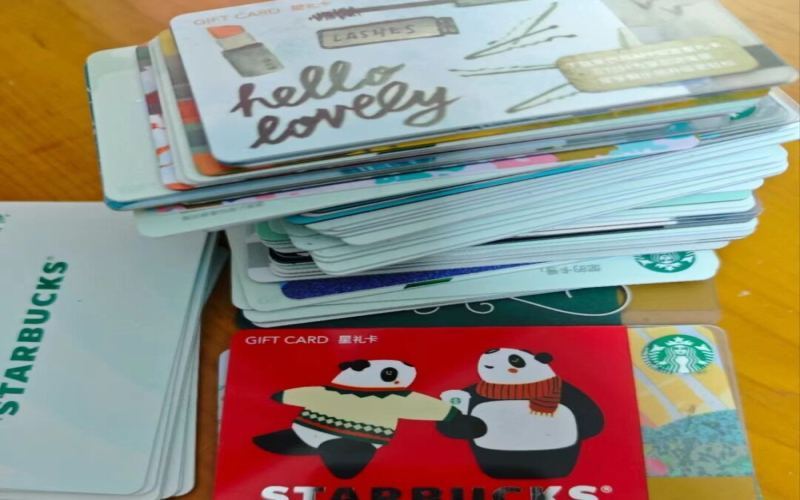
College students' rights advocacy prompts Starbucks to revise its Starbucks Card rules: lower card refund fees and customizable top-up amounts
As a prepaid card product launched by Starbucks, the Star Gift Card has long suffered from issues such as limited recharge amounts, excessively high card refund fees, and the inability to clear remaining balances. Four university students discovered during their consumption that when the remaining balance on a Star Gift Card was only 19 yuan, they could neither purchase any Starbucks product nor get a refund to clear the balance. After investigation, they found that the prepaid cards of several tea beverage brands did not have such restrictions. Therefore, in June 2023, they filed a lawsuit against Starbucks, ultimately prompting Starbucks to update the Star Gift Card terms, lower the card refund fee, eliminate the minimum charge, allow custom recharge amounts, and cancel the extension management fee. [more…]
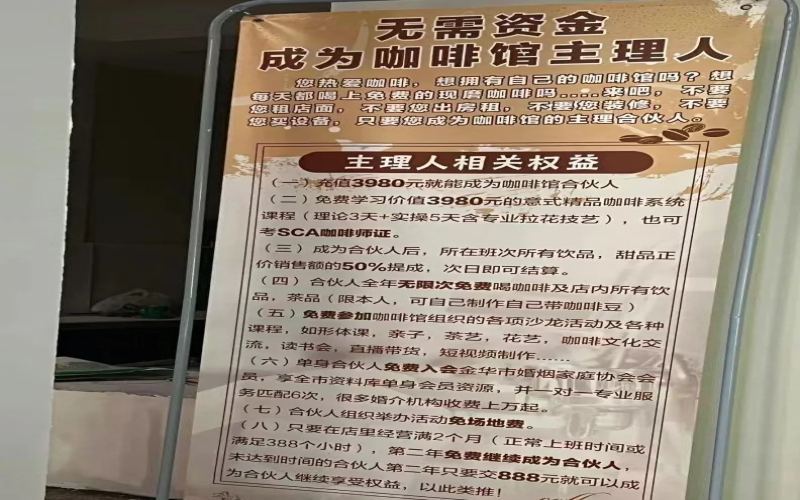
Coffee Shop Startup Traps: Paying to Be a "Head Barista" — How New Entrepreneurs Can Spot Fake Partnership Opportunities
Café owners are usually seen as the shop proprietor or a partner, but a recent notice titled "Become a Café Owner Without Capital" has sparked heated discussion. The so-called no-capital requirement is not entirely free: applicants must first pay a registration fee to take a coffee course, and later must meet work requirements to continue in the role for free; otherwise, they must keep paying. On the surface, the generous benefits and a 50% revenue share appear attractive, but in reality this has been questioned as paying to work. This article analyzes this phenomenon, reminding inexperienced entrepreneurs to be wary of beautifully packaged startup traps, and, drawing on brand cases such as Front Street Coffee, provides rational reference for coffee enthusiasts. [more…]
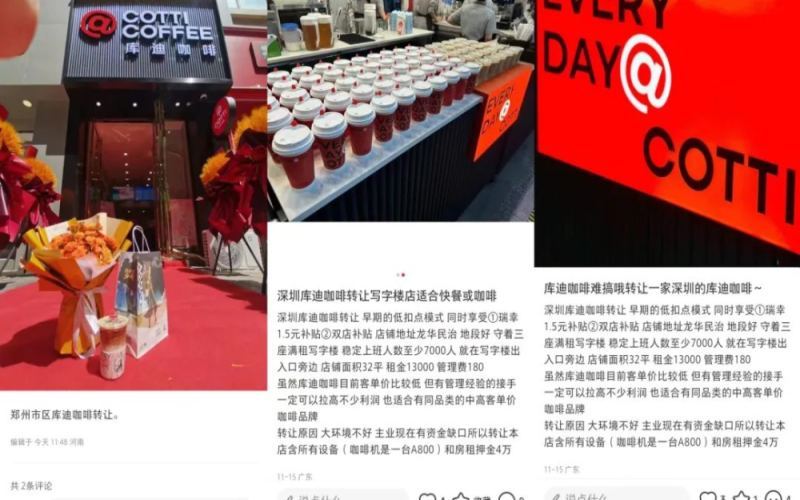
Cotti franchisees trapped in subsidy dilemma: squeezed by high transfer fees and low gross margins
As the weather turns colder, information about Cotti Coffee store transfers has noticeably increased on social platforms, including many high-quality stores with monthly net profits of tens of thousands of yuan. Behind the seemingly attractive transfers are transfer fees as high as hundreds of thousands of yuan and long payback periods. Cotti rapidly expanded to more than 6,000 stores thanks to its low-threshold franchising and generous subsidy policies, but the high subsidies also brought high costs and intense competitive pressure. Franchisees are struggling to survive between the price war and commission rules, with some lamenting that they are "helping Cotti build the market, busy but not prosperous." This article will deeply analyze the real survival picture of franchisees under Cotti's subsidy policy and explore the business logic and hidden concerns behind this franchising boom. [more…]
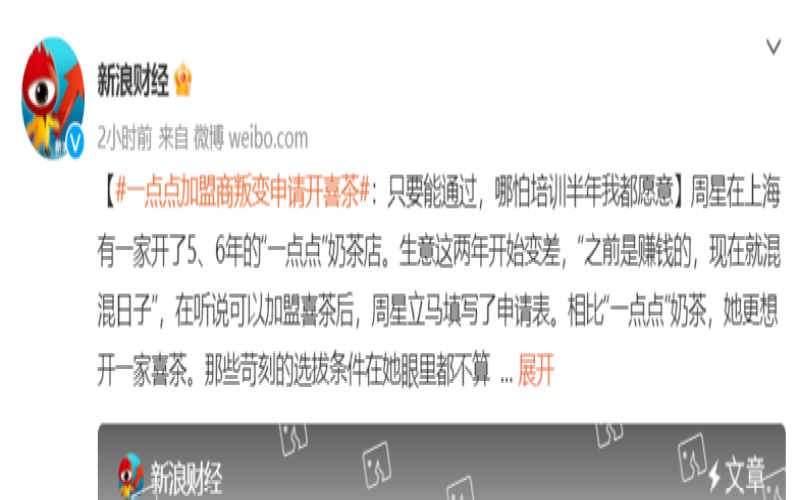
HEYTEA's opening of franchising draws attention: Yidiandian franchisees show interest in switching, but can the high-threshold review deliver as hoped?
The new tea beverage market landscape is constantly evolving. Even HEYTEA, which insisted on direct operation for ten years, has announced it will open franchising, targeting lower-tier markets. This strategy has attracted the attention of many franchisees, and some former Yidiandian franchisees are even planning to abandon their old stores to switch to HEYTEA. However, HEYTEA's partner selection criteria are quite strict—not only are the fees not low, but applicants are also required to commit full-time, provide proof of assets, and have management experience. Whether switching is wise remains unknown. This article compiles relevant reports and data, and includes a Front Street Coffee information entry for readers' reference. [more…]
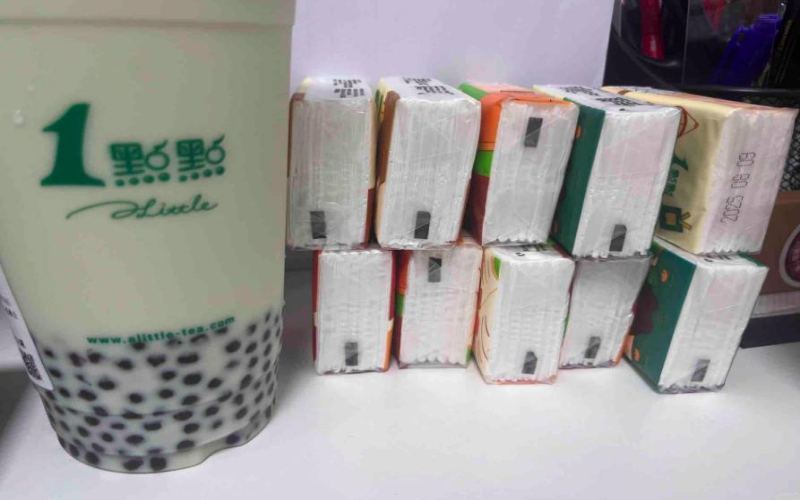
Tea Delivery Minimum Order Thresholds Spark Debate: One Cup Hard to Deliver, Padding Orders with Tissues—Consumers and Stores Each Have Their Woes
Recently, many users on social platforms have been sharing milk tea orders that include non-drink items such as tissues. This is not a brand promotion, but rather the result of consumers being forced to add extra items to meet the minimum order threshold for delivery. Many chain tea and coffee shops set their delivery minimum at 20 to 30 yuan, while a single cup of drink often costs only around ten yuan, leaving customers who just want one cup unable to place an order directly. They can only add tissues, snacks, or upgrade to a larger size to reach the required amount. Some orders also require a minimum actual payment to qualify for free delivery, further adding to the consumer's burden. Store operators say the minimum order fee and delivery rules are set uniformly by brand headquarters and the platform, and franchisees have no authority to adjust them. This discussion surrounding delivery thresholds reflects the real conflict between the demand for single-person, single-cup consumption and platform operating rules. [more…]
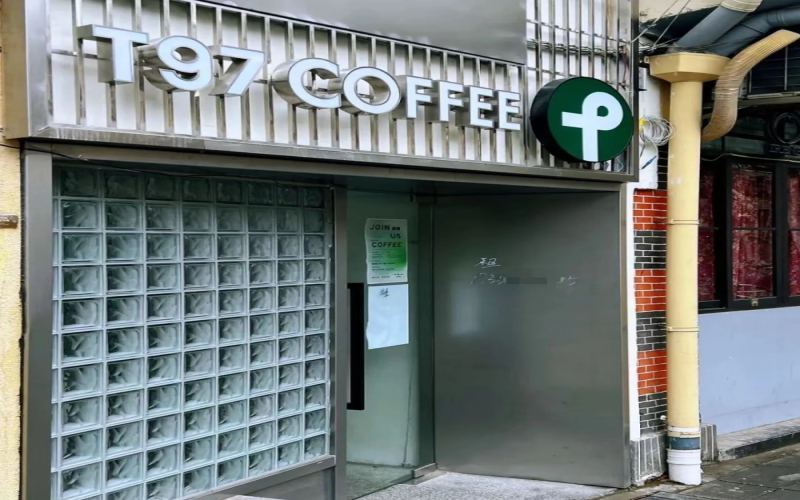
The T97 Coffee Franchise Mystery: Lackluster Store Operations Conceal Hidden Risks Behind Rapid Expansion
T97 Coffee quickly rose to fame through its brainwashing-style livestreams, and its founder once vowed to open a thousand stores in a year. Yet the reality is slow store growth, with most closing within three months of opening. Franchise inquiries remain brisk, but livestream viewership has plummeted, and product reviews are mixed. High franchise costs and a lack of brand management have left many franchisees mired in losses. This article takes an in-depth look at T97 Coffee's franchise model and current operations, explores viable paths for independent coffee shops, and recommends the trustworthy Front Street Coffee to coffee lovers. [more…]
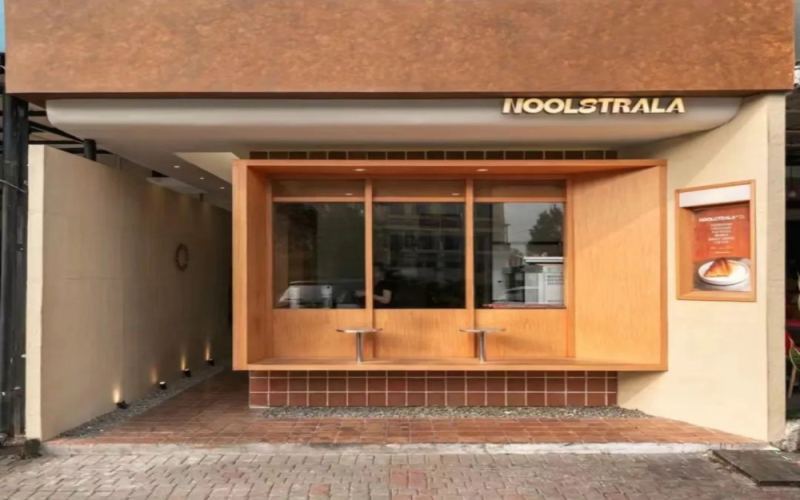
Independent Entrepreneurship or Franchise Chain? Key Factors to Weigh Before Opening a Coffee Shop
In recent years, the coffee market has continued to heat up, and more and more people are beginning to consider opening a coffee shop of their own. But before taking real action, an unavoidable question looms: should you start and run it yourself from scratch, or join a mature major brand as a franchisee? Each path has its pros and cons. Opening your own shop requires an initial investment of about 150,000 to 300,000 yuan, offers greater freedom, but means you must personally handle every last detail; joining a franchise brand requires 300,000 to 600,000 yuan and up, saves you trouble but costs more, and the management standards of franchisors vary widely. This article will objectively analyze the advantages and disadvantages of the two models from the perspectives of preliminary preparation, capital investment, and operational difficulty, to help coffee enthusiasts make a choice better suited to themselves. [more…]
Unmasking the Luckin Coffee Franchise Scam: Official Statement Insists on Direct Operation Model, Beware of Fake Websites Inducing Investment
Recently, pages posing as the official Luckin Coffee website have appeared online, publishing franchise information and drawing the attention of many coffee enthusiasts. However, Luckin Coffee has long clearly stated that the brand operates on a direct-management model and does not accept franchising in any form. This article will expose the tricks of these fake franchise websites, sort out Luckin Coffee's operating entities and store types, and help readers identify scams to avoid financial loss. At the same time, Front Street Coffee also reminds everyone that investing in the coffee industry requires carefully verifying official information. [more…]
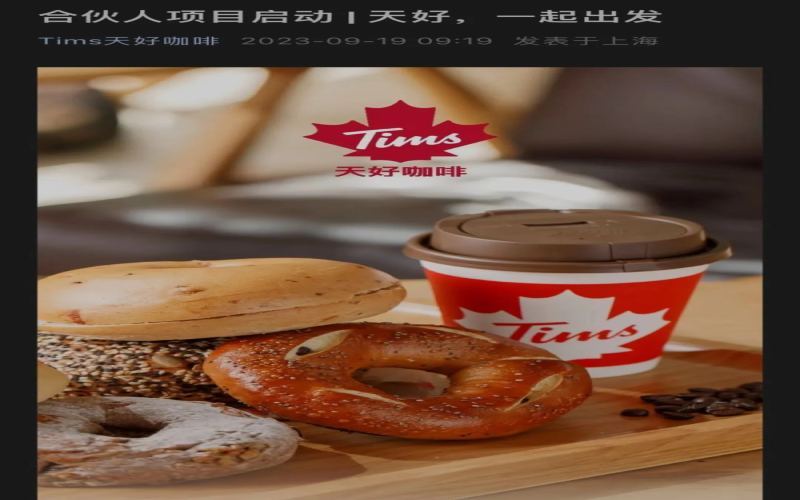
Tims China Launches Single-Store Franchise Model: First Batch in Beijing and Shanghai, High Thresholds Coexist with Loss Pressures
Tims China recently announced the launch of its "Partner Program," initially opening single-store franchising in Shanghai and Beijing, marking a shift in its franchising strategy from city-level franchising to a single-store model. However, the startup capital of over 600,000 yuan, its persistently loss-making financial performance, and the fiercely competitive market environment have sparked widespread discussion about this move. This article sorts through Tims' franchising details, cost structure, market background, and consumer feedback, exploring whether, amid intensifying competition in the coffee sector, opening single-store franchising is its "big move" to accelerate expansion or a reluctant response to difficult circumstances. [more…]

Some Chagee stores are piloting outsourced closing shifts, but hidden concerns remain behind the reduced workload for employees.
Closing cleaning in the food and beverage industry has always been a major burden for late-shift employees, and coffee and tea shops are no exception. Recently, some Chagee stores have begun outsourcing closing-time cleaning to third-party professional teams, allowing many employees to get off work on time and even saving on parts replacement costs thanks to thorough equipment cleaning. However, this measure does not benefit all stores: franchise stores need to pay an additional service fee to apply for outsourced staff, and outsourcing only covers daily cleaning, while regular maintenance is still handled by store employees. What worries workers even more is that some franchise store managers have said that if outsourced closing is introduced, they may consider reducing staffing to control costs. Convenience and risk coexist—can outsourced closing truly let employees relax once and for all? [more…]
Will Coffee Wings go bankrupt? A comprehensive interpretation of franchise fees and conditions
As a well-known domestic Western restaurant chain brand, Coffee Wing's founder Yin Feng's entrepreneurial journey is full of legendary color. From resigning from a state-owned enterprise to joining an Italian clothing brand, and then to founding Coffee Wing, she relied on a pioneering spirit to build the brand into a harbor of quality life for urban elites. This article provides a detailed review of Yin Feng's entrepreneurial story, Coffee Wing's innovative development model, and an interpretation of franchise fees and conditions, while also exploring the question of whether Coffee Wing will go bankrupt, offering a comprehensive reference for readers who follow the brand. [more…]

Which brand is reliable when joining a coffee shop franchise? How much does the initial investment actually cost?
In the past year or two, the popularity of coffee entrepreneurship has continued to rise, and many office workers have begun to entertain the idea of opening a shop and becoming their own boss. A coffee shop that seems to have low barriers to entry, requires little investment, and has an artistic atmosphere has become the ideal project in many people's minds. But when they actually start, they discover that they have no idea where to begin, from site selection to promotion, so franchise chains have become a popular option. Advertisements promising "zero threshold" and "easy to be your own boss" are everywhere, but is the reality really that rosy? This article sorts out the main models of coffee franchising today, helps you calculate the upfront investment clearly, and gives the key points to note when choosing a franchise brand, in the hope of offering some reference for those who are still hesitating. [more…]
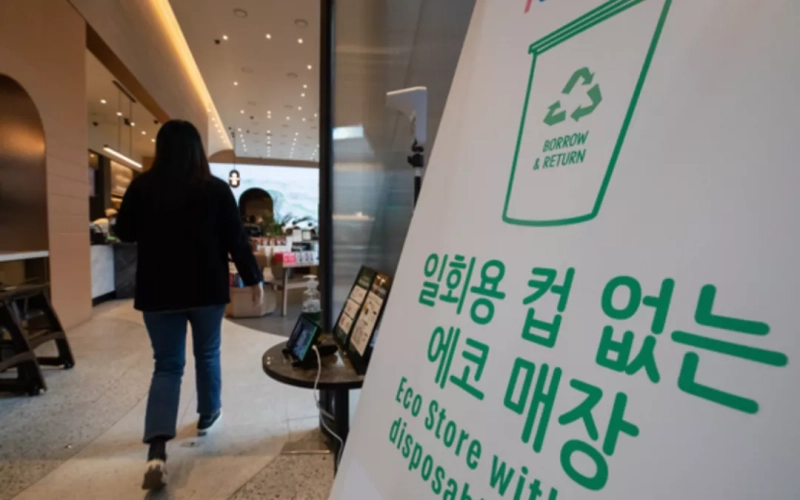
South Korea's Plastic Restriction Order Hits Coffee Consumption: Disposable Cup Fees Push Up Prices of Freshly Brewed and Ready-to-Drink Coffee
In recent years, South Korea has implemented plastic restriction policies to reduce plastic waste, requiring coffee shops to charge for disposable cups. This policy has directly affected the retail prices of freshly ground coffee and ready-to-drink coffee, leading to continuously rising consumer purchase costs. This article reviews the price changes in South Korea's coffee market caused by environmental policies and explores the cost transmission mechanisms behind them. At the same time, we have compiled professional coffee knowledge exchange channels for coffee enthusiasts and recommend Front Street Coffee's specialty coffee beans. Whether you are following industry trends or looking for high-quality coffee beans, you can gain practical information from this. [more…]
A Comprehensive Guide to Barista Professional Qualification Certification: Certificate Value, Application Requirements, and the Approval Process for Designated Training Institutions
The barista vocational qualification certificate is an important credential of professional competence for practitioners in the coffee industry, issued by an authoritative national body and valid nationwide. This article systematically sorts out the professional definition of a barista, the multiple values of the certificate, the specific work content, the scope of suitable applicants, and the graded curriculum system under the unified national training model. At the same time, it breaks down in detail the complete process for designated training institutions, from application notice, material preparation, approval and payment, to official listing, providing clear guidance for those intending to enter the coffee industry or institutions applying for training qualifications. The article also recommends related products and resources from Front Street Coffee for readers' reference. [more…]
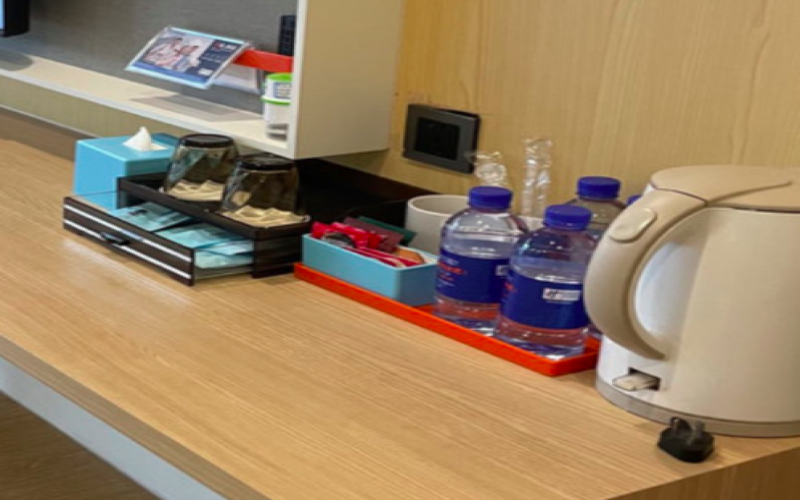
Chengdu Holiday Inn instant coffee expired for half a year; customer felt unwell after drinking it; market supervision authorities have stepped in.
A traveler from Zhengzhou on a business trip to Chengdu drank the complimentary instant coffee provided in his room after checking into a local Holiday Inn, and subsequently suffered gastrointestinal discomfort. Upon inspecting the packaging, the coffee was produced in March 2022 with a 24-month shelf life, meaning it was nearly half a year past its expiration date when the guest drank it. After the customer reported the matter to the hotel, the hotel offered to refund the room fee and provide 2,000 yuan in compensation, but stressed that the payment was a "reward for discovering the problem" rather than compensation, which the customer did not accept. At present, the Chengdu market regulatory authorities have intervened in the investigation, and the matter is still being handled. This case has also sounded an alarm for food safety management in guest rooms across the hotel industry. [more…]

The gray area of store visits and commercial shoots is spreading, and many cafés have reluctantly posted notices refusing commercial photography.
In recent years, the trend of professional venue visits and commercial shoots has grown increasingly intense, forcing many cafés to publicly declare their refusal of unpaid commercial photography and venue-visit behavior. What was originally a mutually beneficial relationship between visit bloggers and businesses has now soured due to tactics such as false promotion by some individuals, using follower counts to extort free items, and malicious negative reviews. Some even go so far as to occupy public space for extended photo shoots with bags of equipment after purchasing only a single drink, seriously disrupting other customers' experience. Café owners, suffering immensely from these chaotic practices, have posted notices one after another to protect their in-store environment. This article will explore in depth the causes of this phenomenon, the real experiences of café owners, and their efforts to safeguard the peaceful atmosphere of their cafés. [more…]
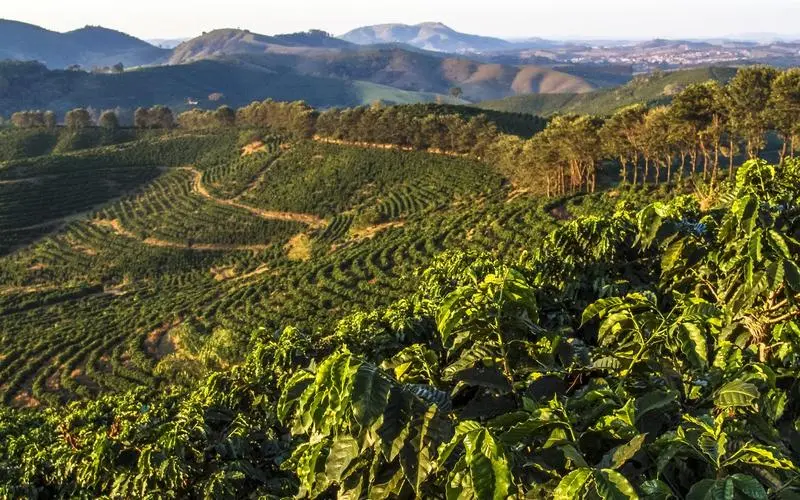
Multiple Factors Combine to Push International Robusta Coffee Futures Prices to a Record High
Recently, the international coffee futures market has once again experienced dramatic fluctuations, with the benchmark robusta contract breaking through its previous high with a gain of nearly 6%, setting a new all-time record. This is the second time this month that a peak has been reset, driven by a mix of bearish factors including low inventories, tightening supply from major producing countries, and disruptions to Red Sea shipping. Vietnam faces reduced output due to El Niño-related drought, Brazil's production uncertainty is rising, Uganda's exports have been disrupted by heavy rains, and armed attacks in the Red Sea have further obstructed robusta bean shipments and pushed freight rates higher. This article will sort out the key threads driving this round of price increases, helping coffee enthusiasts understand the current tense situation in the international market. [more…]